html
How Long Should You Keep House Sale Documents
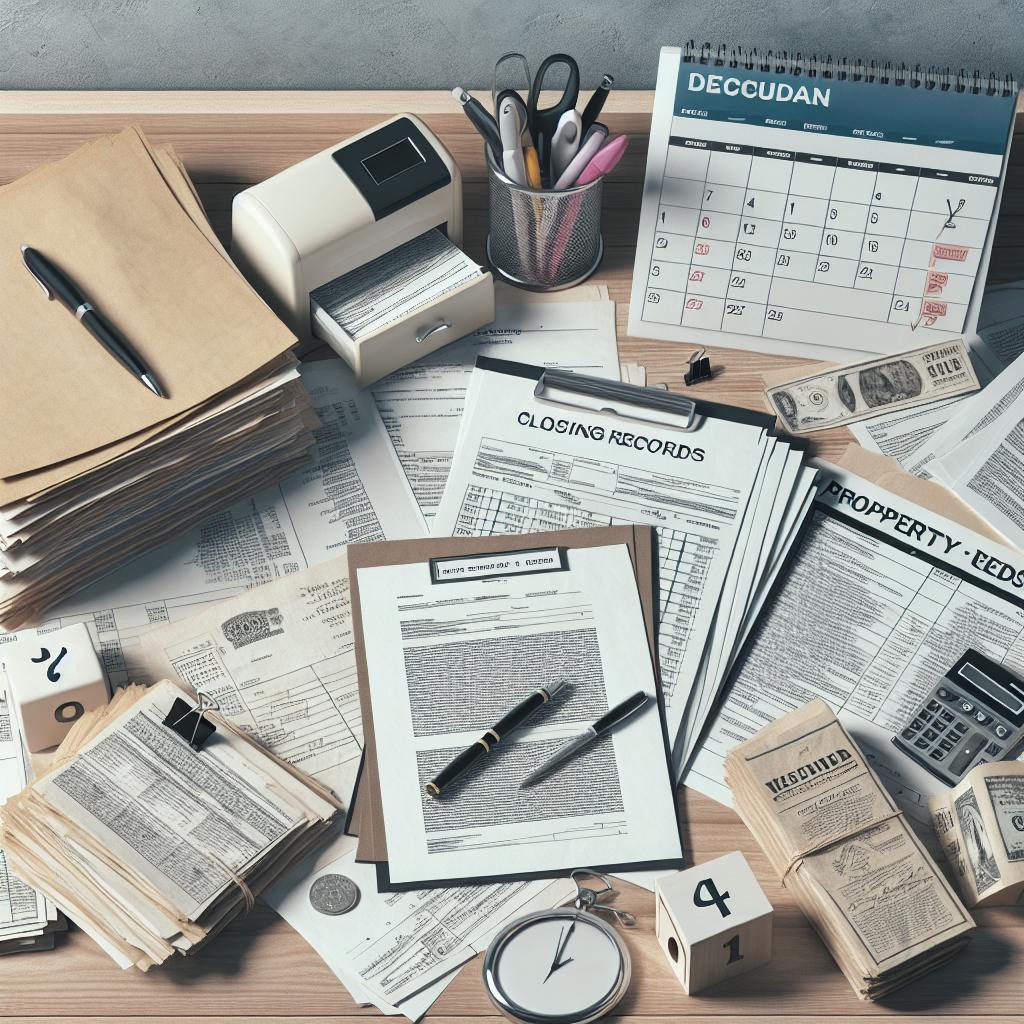
Selling a house is a monumental task that involves a plethora of paperwork. From closing documents to tax-related forms, knowing which documents to keep and for how long can be overwhelming. Maintaining an organized record-keeping system isn’t just prudent—it’s essential for future clarity and financial wellbeing. This article provides a comprehensive guide on which house sale documents to retain, their significance, and best practices for storage. We’ll discuss electronic records as an option, delve into the specifics required for tax calculations, and explore the potential complexities that could arise. Connecting with a top real estate agent can simplify the process, and we’ll detail how they can be instrumental in navigating the paperwork. Stay informed and prepared by exploring this essential guide, allowing you to manage your property documents effectively and with confidence.
Connect with a Top Agent
In the realm of real estate, a top agent can be your best ally, especially when it comes to managing the voluminous paperwork associated with buying or selling a home. Experienced agents not only assist you in negotiating deals and understanding the market, but they also ensure that you are well-equipped with the necessary documentation. This ensures that all legal and financial aspects are covered, which can be crucial for smooth transactions and future references.
Partnering with a professional real estate agent means you have someone in your corner who can demystify complex jargon and guide you through each step of the process. Their expertise is invaluable, not only for closing sales but also for helping you establish a systematic method for archiving essential documents like disclosure forms, appraisals, and mortgage payoffs. This collaboration can save you from potential legal hassles down the line and provide peace of mind.
Are electronic records an option? The answer is yes, but…
Transitioning to electronic records can be a practical solution for managing your home sale documents, offering convenience and increased security. However, while electronic storage solves many issues related to physical clutter, it also demands caution. Ensure that all electronic copies are stored in secure, backed-up locations, such as cloud services with robust encryption, to protect from data loss and unauthorized access.
Paperless storage is indeed advantageous, but it’s important to maintain proper organization and accessibility. File security notwithstanding, consider formats that preserve the integrity of documents, such as PDFs, and ensure regular updates of your digital filing system. Opting for electronic records should not diminish your adherence to legal requirements, such as keeping certain original documents for official purposes when required.
At a high level, make sure you’ve got proof of any mortgage payoffs
Mortgage payoffs are one of the most crucial documents you should retain when you sell your house. This documentation proves that you have fulfilled your loan obligations and that the lender no longer holds any claim to your property. Retaining your mortgage payoff statement is not just important for your records; it may be needed for any future financial transactions related to home ownership or when dealing with title companies.
It is recommended that you keep these records indefinitely, as they help demonstrate your financial responsibility and can preclude future disputes or misunderstandings with lenders. A clear mortgage payoff record is a shield against any post-sale claims regarding unpaid debts, and it stands as proof in case any financial audits arise, providing clarity and evidence of closed financial transactions.
Which other home sale documents should you hang onto?
Beyond mortgage payoffs, several other documents are essential to keep long-term. These include the home sale closing statement, which details all financial transactions of the sale, and the deed, which transfers property ownership. Each of these documents serves as crucial evidence in case of future inquiries or disputes regarding the sale.
Additionally, keeping property tax records, insurance policies, and any major repair receipts can be valuable. These documents provide a comprehensive view of your property history, aiding you in calculating potential capital gains tax and serving as a reference for any future transactions or estate planning considerations.
What you’ll need specifically for taxes and calculating capital gains
When dealing with taxes and calculating capital gains, it is imperative to keep thorough records of your home sale. Documents such as the HUD-1 settlement statement, Form 1099-S, and receipts for any capital improvements will be crucial when reporting your taxes. Gather comprehensive records to provide clarity on your tax obligations and potential exemptions.
It’s advisable to retain these records for a minimum of three to six years, aligning with IRS audit timelines, to substantiate your reportings. These calculations can influence your tax liabilities significantly, ensuring you correctly leverage any tax exclusions from capital gains and avoid unexpected tax consequences due to missing documentation.
Find an Agent to Help You Navigate the Paperwork
The paperwork involved in selling a house can be daunting, and a skilled real estate agent can help streamline this process. Beyond selling and negotiating, a real estate agent’s expertise includes knowledge and management of necessary documents, offering their clients a seamless experience when dealing with the sale of their home.
An agent can guide you on which documents to keep and for how long, provide resources for electronic storage options, and advise on legal obligations. Leveraging their industry insights ensures a comprehensive understanding and adherence to documentation protocols, ultimately aiding in a stress-free transaction.
Best practices for storing your home sale records
Adopting best practices for storing your home sale records is crucial for ensuring the security and accessibility of your important documents. Whether you choose physical or electronic storage, organization and clear labeling are key. For physical documents, consider using fireproof safes or locked filing cabinets to protect against loss or damage.
When opting for electronic storage, prioritize secure, encrypted solutions like cloud services. Regularly update and back up your digital files, and maintain a consistent naming convention for easy retrieval. Remain vigilant about security to safeguard against unauthorized access, ensuring your documents remain intact for any future needs.
Related posts
How to Sell and Buy a House at the Same Time
What Are You Required to Disclose When You Sell Your Home?
Selling a House in California? Get to Know the Rigorous Transfer Disclosure Statement
Staying After Selling: What to Know About Use and Occupancy
Future Prospects
| Section | Content Summary |
|---|---|
| Connect with a Top Agent | Highlights the importance of a real estate agent in managing home sale paperwork. |
| Electronic Records | Reviews the benefits and precautions of using electronic records for storage. |
| Proof of Mortgage Payoffs | Emphasizes the importance of retaining mortgage payoff documents indefinitely. |
| Additional Documents | Discusses other essential documents to keep, such as deeds and tax records. |
| Taxes and Capital Gains | Explains which documents are necessary for tax reporting and capital gains calculations. |
| Agent Assistance | Describes how agents aid in navigating and organizing home sale paperwork. |
| Storage Practices | Provides best practices for both physical and electronic document storage. |