html
Understanding Closing Costs in South Carolina
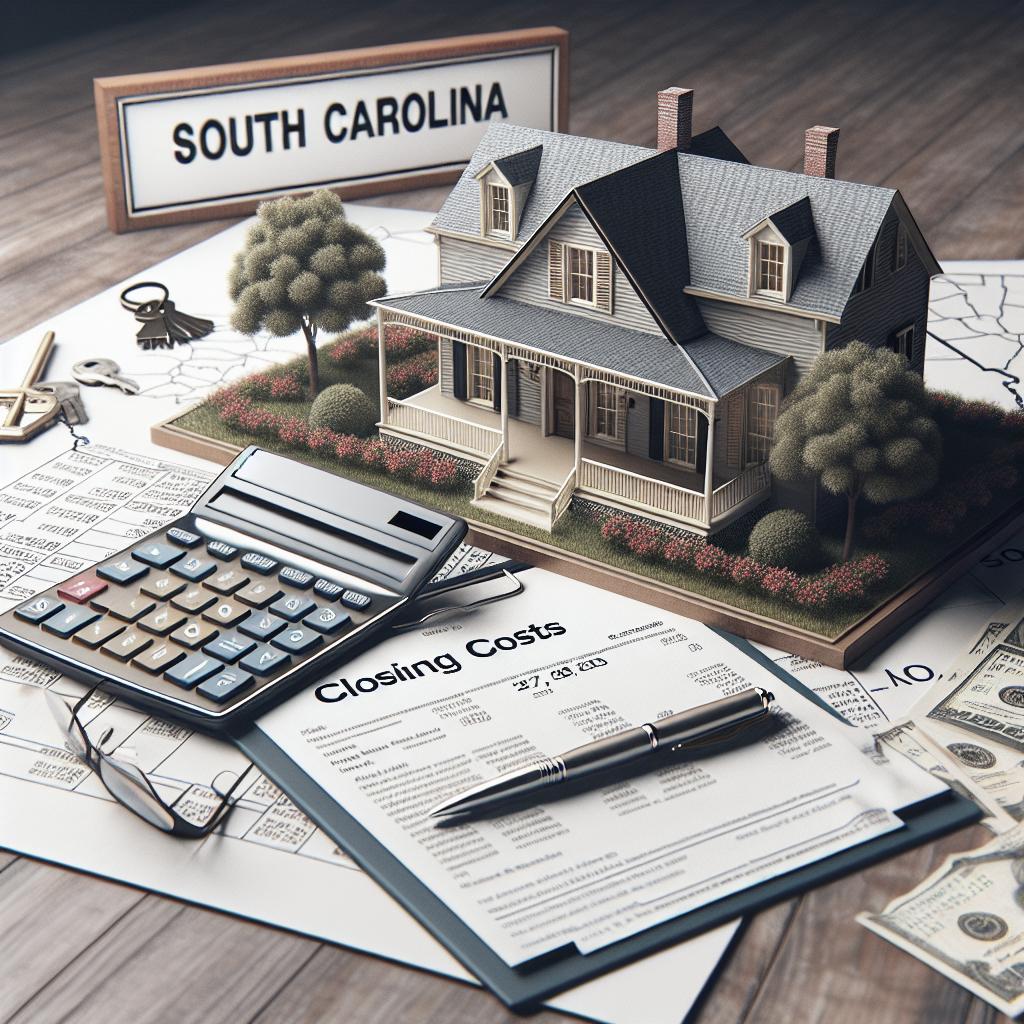
Purchasing or selling a home involves several financial considerations, with closing costs emerging as a critical component of the final transaction. In South Carolina, closing costs can vary significantly depending on multiple factors, including property value and negotiated agreements. This blog post provides a detailed exploration of typical closing costs in South Carolina, outlining who is responsible for these expenses and offering strategies for their reduction. Whether new to real estate transactions or experienced in the market, understanding these costs can significantly aid buyers and sellers in navigating their financial responsibilities and finding potential savings. At the end of the post, a structured summary will encapsulate the key points for a more accessible review.
How much are closing costs in South Carolina?
Closing costs in South Carolina generally range from 2% to 5% of the property’s sale price. This variation is contingent on several factors, including the specific location within the state, the property’s price, and the complexity of the transaction. For instance, higher-priced homes might reflect proportionally lower closing costs percentage-wise due to fixed fees associated with certain services.
Components typically included in closing costs are loan origination fees, appraisal fees, title insurance, and taxes, among others. Each component serves a different role in the transfer of property, often necessitating detailed attention to ensure accuracy and fairness. Thus, understanding each aspect is crucial for buyers and sellers aiming to negotiate their deals effectively.
Who pays closing costs in South Carolina, buyers or sellers?
In South Carolina, the responsibilities for closing costs can be collaboratively shared between buyers and sellers. However, commonly, buyers bear the brunt of these costs. Buyers typically cover fees related to loan acquisition, appraisals, and home inspections. It is essential for potential homeowners to budget for these costs to avoid any unexpected financial burdens at the closing table.
Sellers, on the other hand, might be responsible for realtor commissions and any transfer taxes associated with the sale. Though buyers often handle a larger share of the closing costs, sellers can use these expenses as negotiation points during the sale process, potentially covering some buyer costs to expedite the sale.
Closing costs for buyers
For buyers in South Carolina, closing costs entail several specific fees. These may include loan origination fees, which cover the lender’s processing costs, typically amounting to about 1% of the loan amount. Appraisal and inspection fees are also common, ensuring the property’s market value aligns with the sale price and identifying any necessary repairs before purchase.
Other buyer-related expenses can include title insurance, which protects against any unknown property claims, and escrow fees, which manage funds throughout the transaction. It is vital for buyers to acquire a comprehensive estimate of these costs upfront to ensure preparedness and negotiate terms effectively.
Closing costs for sellers
Sellers in South Carolina usually encounter different types of closing costs compared to buyers. The most significant expense is the real estate agent’s commission, which typically ranges from 5% to 6% of the sale price, split between the buyer’s and seller’s agents. This fee covers the marketing and selling efforts conducted by the agents.
Additionally, sellers may need to pay transfer taxes, which vary by county, as well as fees for any required repairs found during inspections or to clear any outstanding liens on the property. Understanding these expenses can assist sellers in setting a more accurate sale price and budgeting accordingly.
Lowering your closing costs in South Carolina
Reducing closing costs can be achieved through strategic negotiation and diligent planning. Buyers and sellers should explore various lenders to compare loan offers and associated fees, as some may offer more competitive terms. Engaging a real estate agent with a comprehensive understanding of South Carolina’s market can also provide insightful strategies for saving on closing costs.
Additionally, buyers can mitigate costs by securing lending programs that offer reduced fees, such as those for first-time homebuyers. Sellers might negotiate with buyers to share closing costs or agree to cover specific expenses in exchange for a higher sale price, balancing both parties’ interests.
Find a local real estate agent
Working with an experienced local real estate agent is crucial in navigating the complexities of closing costs in South Carolina. An agent’s intimate knowledge of the local market and their negotiation expertise can be pivotal in understanding which costs are standard and where there might be opportunities for savings.
Agents can also provide guidance on paperwork and ensure that all necessary documentation is efficiently handled, reducing the risk of errors that might lead to additional expenses. They serve as valuable resources for both buyers and sellers, aiming for successful transaction completion.
FAQs
Does the seller pay closing costs in South Carolina?
Sellers in South Carolina may pay specific closing costs, primarily real estate agent commissions and transfer taxes. However, the responsibility for these expenses can vary based on the terms agreed upon between the buyer and seller. Occasionally, sellers might agree to cover particular buyer costs to make their property more appealing, reflecting the flexible nature of these negotiations.
What is the most expensive part of closing costs?
The most expensive component of closing costs often falls to the real estate agent’s commission. Given that commissions typically make up 5% to 6% of the sale price, they represent a significant portion of the seller’s closing expenses. These fees compensate for the expertise and marketing efforts of the involved real estate professionals.
For buyers, loan-related fees can also be quite substantial, particularly with costs such as loan origination and discount points designed to secure lower interest rates. Understanding these elements helps in preparing for and negotiating the sellers’ and buyers’ final financial responsibilities.
Summary of main points
| Category | Description |
|---|---|
| Closing Costs Range | Typically 2% to 5% of the property’s sale price in South Carolina. |
| Buyer Costs | Include loan origination, appraisal, inspection, title insurance, and escrow fees. |
| Seller Costs | Primarily real estate agent commissions and transfer taxes. |
| Cost Reduction | Achieved through strategic negotiation and exploring lender options. |
| Role of Agents | Provide market insights and negotiation strategies for cost management. |
| FAQs Key Points | Seller and buyer cost distribution and major cost components explained. |