
html
How Long After Bankruptcy Can You Get a Credit Card?
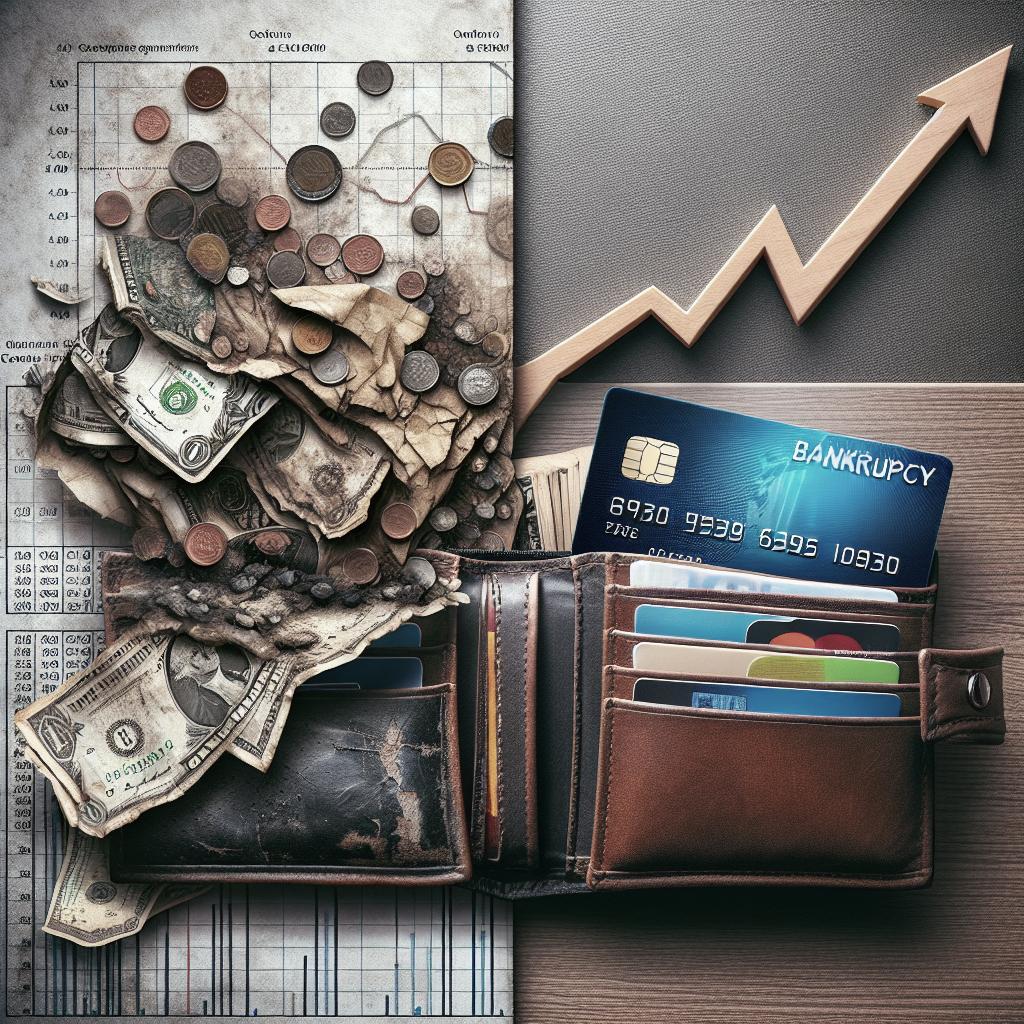
Emerging from the shadows of bankruptcy can feel daunting, but rebuilding financial health is entirely achievable. One critical step in this journey is obtaining a credit card post-bankruptcy. This blog explores whether you can get a credit card after bankruptcy, the potential benefits and pitfalls of doing so, and provides a step-by-step guide on how to go about it. It also answers common questions, particularly for those living in Canada, and offers tips for credit improvement. While it can be a complex process, regaining financial independence and restoring your creditworthiness is within your reach. Read on to explore your future prospects in recovering from bankruptcy and regaining credit card access.
Can you get a credit card after bankruptcy?
Though bankruptcy can severely impact your credit score and financial profile, it doesn’t permanently deny you access to credit cards. Many credit card issuers are open to providing credit to individuals who have declared bankruptcy, albeit under more stringent conditions. The key is proving to potential creditors that you have learned from past mistakes and are now financially responsible.
While a bankruptcy record can remain on your credit report for up to ten years, it doesn’t mean you’ll be without credit for all that time. Indeed, there are paths, such as secured credit cards, that can provide a way to start rebuilding your credit history not long after your debts have been discharged. The timeframe will vary depending on the jurisdiction, individual circumstances, and lender criteria.
Is it a good idea to get a credit card after bankruptcy?
Obtaining a credit card post-bankruptcy can be a significant move towards rebuilding your credit score, as long as it’s done responsibly. Having a credit card allows you to establish a positive repayment history, which is critical in the eyes of future creditors. Timely payments on new credit lines can be a powerful indicator of financial stability and responsibility.
However, it can also pose risks. Falling back into old habits and accruing additional debt could lead to further financial distress. Therefore, before applying for a new credit card, one must assess their spending habits and ensure they possess the discipline required to maintain a positive credit trajectory. Considering financial counseling or debt management advice is often a good step for those unsure about taking on new credit again.
How to get a credit card after bankruptcy
1. Wait until you’re discharged
The first step towards obtaining a credit card after bankruptcy is waiting until your bankruptcy is discharged. Discharge releases you from the responsibility of paying back qualifying debts, signaling that the process is complete, making you eligible to start rebuilding your financial health.
Being discharged generally puts you in a better position to apply for new credit. Lenders are wary of lending to individuals amidst bankruptcy proceedings, but once discharged, you can begin to reestablish your creditworthiness progressively.
2. Check your credit report
Once you’ve been discharged, it’s crucial to obtain copies of your credit report from the major credit bureaus. These reports will give you a clear picture of where you stand and identify any errors or discrepancies that need correcting.
Reviewing your reports ensures that all discharged debts are marked appropriately, and no mistakes drag down your credit score unnecessarily. Disputing inaccuracies can help improve your credit standing faster and make the journey to obtaining a new credit card smoother.
3. Start with a secured credit card
Secured credit cards are often the easiest type of card to obtain after bankruptcy. To get one, you’ll need to provide a cash deposit as collateral, which typically dictates your credit limit. This reduces the risk for the card issuer while giving you the opportunity to prove your creditworthiness.
Regular, responsible use of a secured credit card by keeping balances low and making payments on time can help rebuild your credit score. As positive payment history is reported to the credit bureaus, it gradually improves your credit profile.
4. Use your card responsibly
Responsible use of a credit card is critical post-bankruptcy. Limiting purchases to amounts you can repay in full each month ensures your balance remains manageable and prevents incurring interest charges.
Aiming to utilize only a small portion of your credit limit—ideally below 30%—can also positively affect your credit score. Consistency in making payments on time reinforces good credit habits and contributes significantly to financial recovery.
5. Monitor your credit progress
Regularly checking your credit score and reports helps monitor your progress and catch any potential issues early. Tracking improvements can motivate and inform how you’re managing your post-bankruptcy credit regimen.
Utilizing available tools and services, like free credit scores or paid monitoring, provides valuable insights and keeps you informed, helping track how your efforts translate into credit recovery.
6. Graduate to an unsecured credit card
After demonstrating responsible use of a secured card and seeing your credit score improve, you may become eligible for an unsecured credit card. These cards don’t require a security deposit, offering more freedom in credit usage.
Consider choosing a card that offers benefits aligned with your financial goals, such as cash back or travel rewards, and continue the disciplined practices that improved your credit score in the first place.
How long after bankruptcy can I get a credit card?
The timeline for obtaining a credit card after bankruptcy varies. In many cases, individuals can qualify for a secured credit card as soon as their bankruptcy is discharged. Discharge typically occurs several months after filing, though this depends on individual circumstances and local laws.
For unsecured credit cards, the timeframe extends, often requiring 18 to 24 months of responsible use of credit and demonstrated financial stability. Each applicant’s timeline depends on their specific recovery efforts and improvements in credit scores over time.
Tips for improving your credit after bankruptcy
Improving your credit after bankruptcy demands patience and proactive strategies. Making steady, on-time payments on all remaining debts, such as installment loans or mortgages, will help in regaining creditworthiness. This consistency demonstrates to creditors that you manage your liabilities responsibly.
Additionally, keeping credit utilization low and refraining from unnecessary credit inquiries positively influences credit scores. As you rebuild, consider using budgeting apps or financial advisement to track spending and manage financial health more effectively.
How to get a credit card after bankruptcy in Canada: FAQs
How long does it take to rebuild credit after bankruptcy in Canada?
In Canada, rebuilding credit post-bankruptcy can take time, often requiring several years. With regular, responsible financial behavior, such as timely payments and low credit utilization, noticeable improvements may manifest within 12-18 months.
Complete credit recovery and removing the bankruptcy from one’s credit report can take up to seven years, but proactive rebuilding efforts can substantially improve a credit score even before the bankruptcy record is erased.
What if you’re rejected for a credit card?
If a credit card application is denied, it is vital to understand why and take corrective actions. Creditors typically provide reasons for rejection, which may relate to credit score, report errors, or incomplete financial healing.
Addressing these issues, whether through improving your credit behaviors, disputing credit report inaccuracies, or even seeking a credit-building alternative, can lead to successful applications in the future. Persistence and strategic action are key in overcoming initial rejections.
What to read next
Continue expanding your understanding of credit recovery and management by exploring these recommended reads:
- Steps to Rebuild Credit Post-Bankruptcy
- Understanding Secured vs. Unsecured Credit Cards
- Smart Budgeting After Financial Setbacks
- The Impact of Credit Inquiries on Your Score
Future Prospects
| Steps | Description |
|---|---|
| Discharge from Bankruptcy | Wait until your bankruptcy is officially discharged. |
| Check Credit Reports | Obtain and review your credit reports post-discharge. |
| Begin with Secured Credit | Apply for a secured credit card to start rebuilding credit. |
| Use Credit Wisely | Maintain low balances and pay off your credit card balance in full each month. |
| Monitor Progress | Track your credit score and history improvements regularly. |
| Transition to Unsecured Credit | Apply for an unsecured credit card as your credit score improves. |

